
How to buy property in Dubai from the UK and Europe, step by step
How to buy property in Dubai from the UK or Europe: freehold rules, documents, the 4% DLD fee, buying remotely by power of attorney and getting the title deed.
10 min read · Updated 13 October 2026 · Independent guide, checked against official sources
Yes, you can buy property in Dubai from the UK or anywhere in Europe without living there, and often without flying out at all. British and EU citizens can own freehold homes outright in Dubai's designated freehold areas. You choose a unit, sign a sale contract, the deal is registered with the Dubai Land Department (DLD), and you pay a 4% registration fee plus some smaller charges.
The whole process can be done with a passport. You do not need a UAE residence visa, an Emirates ID or a UAE bank account to buy. What you do need is a clear budget, a licensed broker, a contract you have read properly and, if you will not travel, a correctly drafted power of attorney.
This guide walks through each step as it works in October 2026, for both off-plan (new launch) and ready (resale) property.
How to buy property in Dubai from the UK: the short version
- Set your budget, including about 4% to 7% on top of the price for fees.
- Choose off-plan or ready, then an area and a building.
- Check the developer, the project and the broker are registered.
- Reserve the unit and sign the contract: a sale and purchase agreement (SPA) with a developer, or a Form F memorandum of understanding on a resale.
- Register the sale with the DLD and pay the 4% fee.
- Pay the balance, either in instalments (off-plan) or at transfer (ready).
- Receive your title deed, or an Oqood certificate first if you bought off-plan.
What you need before you start
The paperwork is lighter than buying in the UK, France or Germany. For an individual buyer the DLD asks for a valid passport from non-residents in place of an Emirates ID, according to its property sale registration service page.
In practice, have these ready:
- Passport valid for at least the length of the transaction.
- Proof of address, usually a recent utility bill or bank statement, for the broker's and developer's anti-money-laundering checks.
- Source of funds evidence, such as savings statements or a sale completion statement from a UK property. Expect to be asked.
- A bank account you can send international transfers from, in pounds or euros.
- A mortgage agreement in principle if you plan to borrow. Our guide to getting a mortgage in Dubai as a non-resident explains the limits.
Buying through a company is possible in some cases but adds documents and cost. Most first-time buyers from Europe buy in their own name, alone or jointly.
Step 1: choose off-plan or ready
This is the biggest decision, because it changes the payment schedule, the risk and the paperwork.
| Off-plan (new launch) | Ready (resale) | |
|---|---|---|
| Who sells | Developer | Private owner |
| How you pay | Instalments over the build, often 20% at booking | Usually 10% deposit, balance at transfer |
| First document | Oqood (interim registration) | Title deed |
| Agency commission | Normally paid by the developer | Usually 2% plus VAT, paid by the buyer |
| Rent from day one | No | Yes, if tenanted or let quickly |
| Main risk | Delays and handover quality | Paying over market value, hidden defects |
Off-plan suits buyers who want to spread payments and can wait for keys. On this site, DAMAC Riverside Views starts from AED 795,000 (about €196,000 or £164,000) with instalments from AED 1,800 a month and handover due in Q1 2029. At the other end, DAMAC Islands villas and townhouses start from AED 2,750,000 (about €679,000 or £567,000) on a 75/25 plan.
Ready property suits buyers who want income now. Our guide to buying off-plan in Dubai covers escrow and how your instalments are protected.
Step 2: check the developer, the project and the broker
Foreigners can only buy freehold in designated areas, so first confirm the address is in one. Our explainer on whether foreigners can buy property in Dubai covers the freehold rules. Every project listed on this site is in a freehold area.
Then check three things:
- The project. Off-plan projects must be registered with the DLD and have an escrow account. You can look up registered projects and their completion percentage through the DLD's Dubai REST app or website.
- The developer. Look at completed buildings, finish quality and how late past projects were handed over. The UK government's guidance on buying property in the UAE makes the same point and advises inspecting a developer's finished work.
- The broker. Brokers in Dubai must be licensed by the Real Estate Regulatory Agency (RERA). Ask for their broker registration number and check it.
The same UK guidance warns that only a lawyer licensed locally can represent you in UAE courts. Many buyers also pay a UAE property lawyer to review the SPA before signing, which we recommend for anything non-standard.
Step 3: reserve and sign the contract
Off-plan. You pick a unit and pay a booking amount, commonly 10% to 20% of the price, into the project's escrow account. The developer then issues the SPA, which you sign digitally or by courier. Read the handover date, the allowed delay, what happens if you miss a payment and the floor area clauses.
Resale. Buyer and seller sign Form F, the standard RERA memorandum of understanding. The buyer usually gives a 10% deposit, typically held by the broker as a security cheque or transfer, and the seller applies to the developer for a no-objection certificate (NOC) to sell.
Do not sign anything you have not read in full. Dubai contracts are enforced as written, and a missed instalment has real consequences under the off-plan law.
Step 4: register the sale and pay the DLD fee
Every sale must be registered with the DLD. A sale that is not registered gives you a contract claim against the seller, not ownership.
- Off-plan: the developer registers your SPA in the interim register, known as Oqood. The DLD's initial sale registration page says this must happen within 90 days of signing.
- Ready: transfer happens at a Real Estate Registration Trustee centre, where the money changes hands and the title deed is issued the same day.
The registration fee is 4% of the price. The DLD sets it as 2% for the buyer and 2% for the seller, but in practice most developer contracts and most resale deals put the whole 4% on the buyer. Agree who pays what in writing.
On a property at the Safa Gate "from" price of AED 2,135,000 (about €527,000 or £440,000), 4% is AED 85,400, roughly €21,100 or £17,600. Our full breakdown of Dubai property buying costs lists every other charge, or you can run your own numbers below.
Calculator
Buying costs calculator
Everything you pay on top of the price, in dirhams and euros. Off-plan launches carry no broker fee for the buyer; resales usually do.
Fees as published by the Dubai Land Department and typical bank and developer charges, October 2026. Developer admin fees and bank fees vary; ask for the exact figures before you sign.
Step 5: send the money from the UK or Europe
Payments go by international bank transfer into the developer's escrow account (off-plan) or through the trustee centre and the seller's or bank's accounts (resale). A few points save money and stress:
- Currency. The dirham is pegged to the US dollar, so your real cost moves with the pound or euro against the dollar. A specialist currency provider usually beats a high-street bank on the exchange rate.
- Check account details by phone. Payment fraud by email exists everywhere. Confirm escrow account numbers with the developer directly.
- Keep every record. HMRC and EU tax authorities may later ask how you funded the purchase and what it cost you. Our guide to tax on Dubai property for UK and EU residents explains why.
Step 6: buying without flying, using a power of attorney
Off-plan purchases rarely need you in Dubai, because the SPA can be signed remotely. A resale transfer at a trustee centre does need the buyer or a representative present, which is where a power of attorney (POA) comes in.
A POA signed in the UK usually goes through this chain:
- Sign it in front of a UK notary public.
- Legalise it with the Foreign, Commonwealth and Development Office (FCDO).
- Have it attested by the UAE Embassy in London.
- Have it attested by the UAE Ministry of Foreign Affairs once in the UAE, with a certified Arabic translation.
The UAE is not part of the Hague apostille system, so an apostille alone is not enough. Since 2025 the DLD has also tightened the wording it accepts, so the POA should name the specific property and the specific act, such as buying it. Ask the lawyer or broker in Dubai to draft it to the current DLD wording before you sign. Allow several weeks for the whole chain.
EU buyers follow the same pattern through their own foreign ministry and the UAE embassy in their country.
Step 7: handover and title deed
On a resale, you leave the trustee centre with a title deed in your name. On an off-plan purchase, you hold the Oqood until the building is finished. At handover you pay the final instalment, snag the unit (check for defects, ideally with an inspector), receive keys and the developer arranges for the Oqood to become a title deed.
After that you set up utilities through DEWA, pay annual service charges to the owners' association and, if you let the property, register the tenancy contract with Ejari.
The honest downsides
Buying in Dubai is easier than in most of Europe. It is not risk-free.
- Delays. Off-plan handover dates often slip. Treat the published quarter as a target.
- Supply. A large pipeline of new homes is due over the next few years, which can hold back rents and resale prices in some areas.
- Service charges. These are set per building and can be high in towers with large amenity packages.
- Liquidity. Selling can take months in a slow market, and buyers of resale off-plan units expect a discount.
- Tax at home. Dubai does not tax your rent, but your home country may. Take advice.
If you would like a shortlist matched to your budget and a licensed partner broker to check the details with you, use the shortlist form.
Launches mentioned in this guide
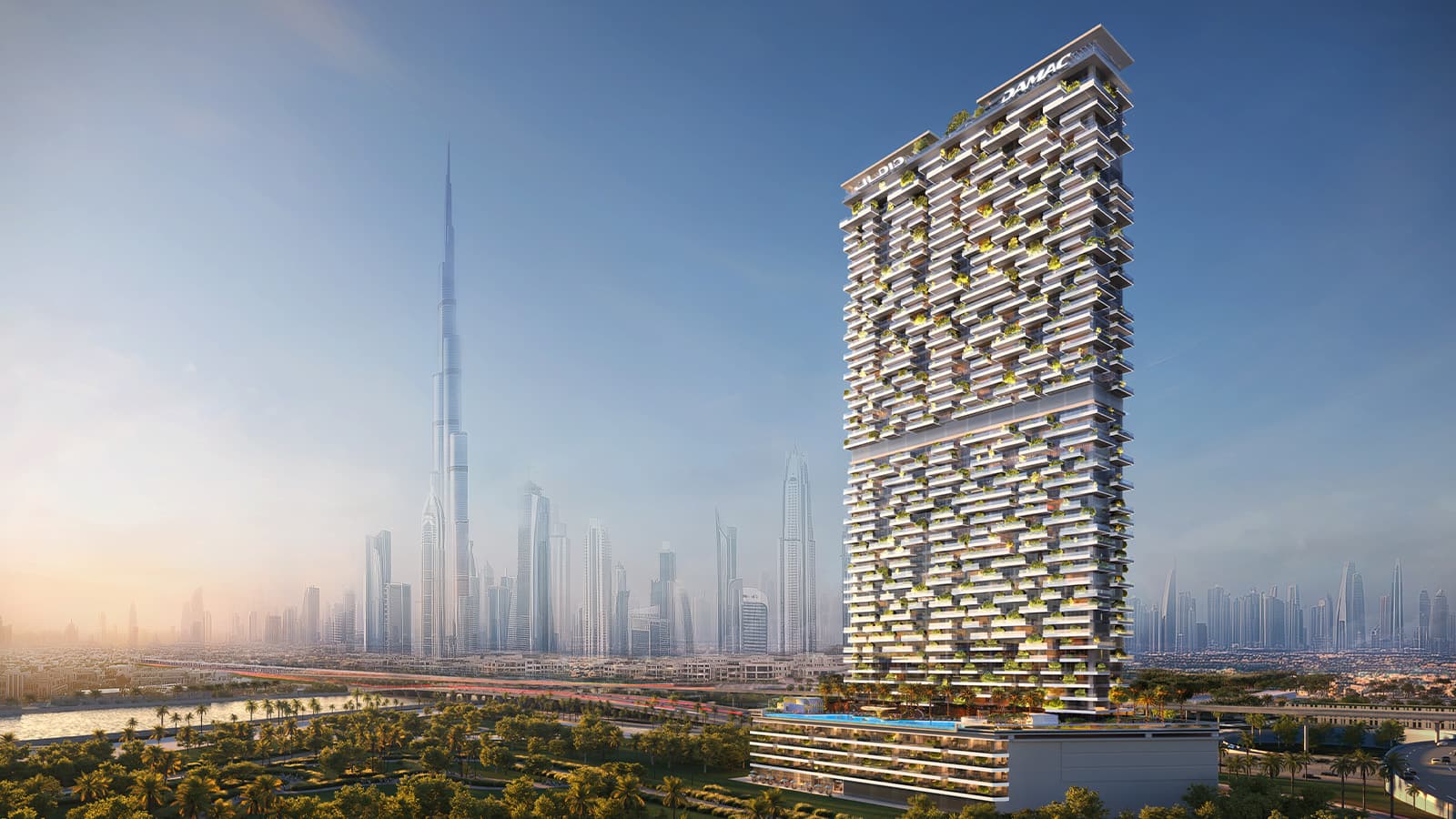
Al Wasl / Sheikh Zayed Road
Safa Gate
From AED 2,135,000 ≈ €527k
Q4 2029
1–2 BR · Payment plan available (ask for the current release)
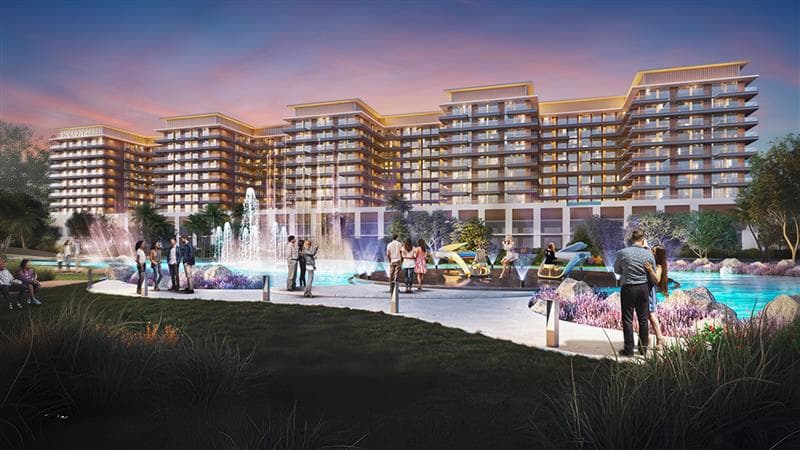
Dubai Investment Park
DAMAC Riverside Views
From AED 795,000 ≈ €196k
Q1 2029
1–2 BR · From AED 1,800 a month during construction
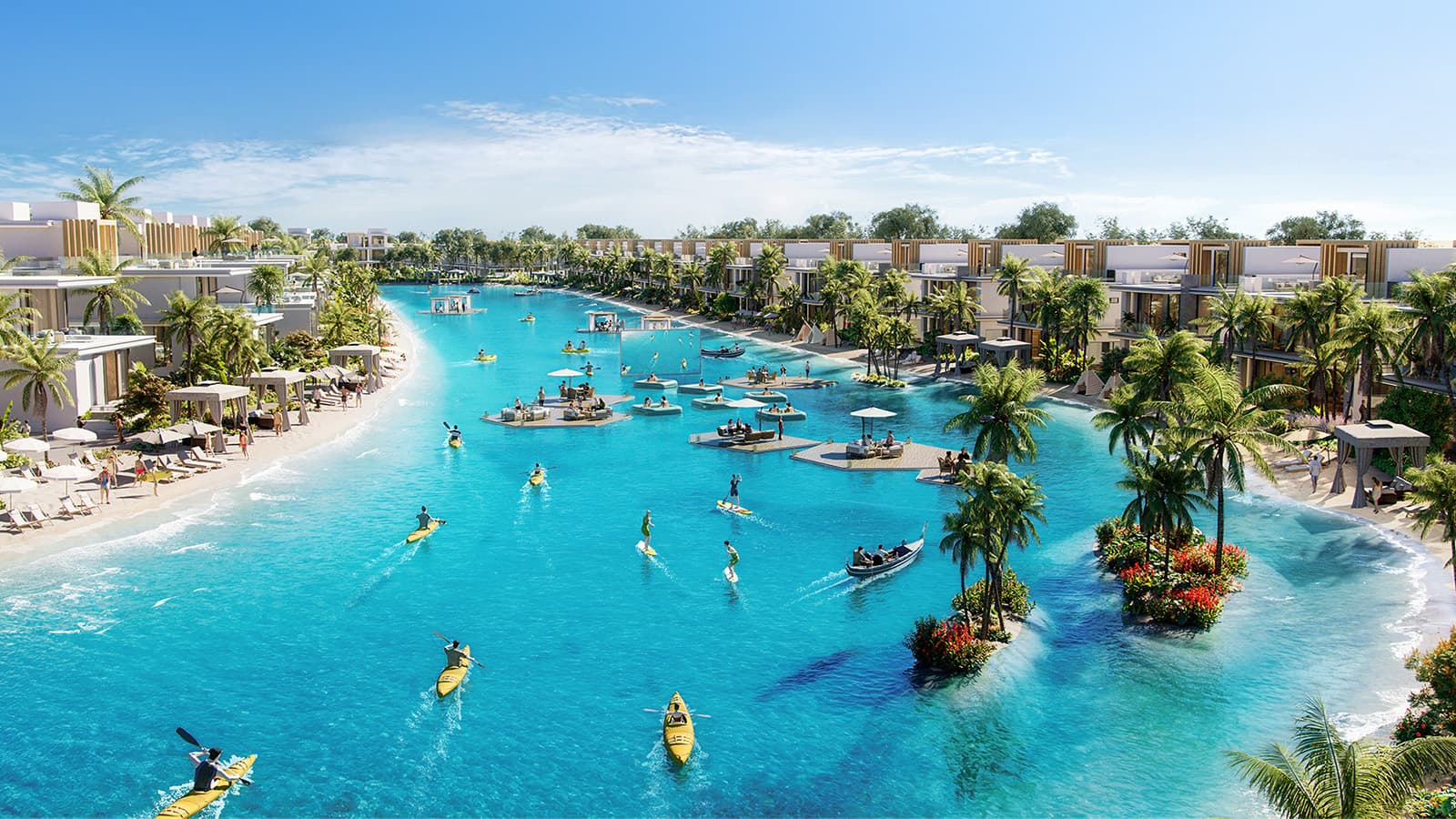
Dubailand
DAMAC Islands
From AED 2,750,000 ≈ €679k
Q4 2028
4–7 BR · 75/25
Frequently asked questions
Can a UK citizen buy property in Dubai?+
Yes. British citizens can buy freehold property in Dubai's designated freehold areas, with the same rights as any other foreign buyer. You need a valid passport, and you do not need to live in the UAE or hold a residence visa.
Do I need to go to Dubai to buy a property?+
Not usually. Off-plan contracts can be signed remotely and the developer registers the sale. For a resale transfer you can appoint a representative by power of attorney, notarised and legalised in the UK and attested in the UAE.
How long does it take to buy property in Dubai?+
An off-plan reservation and SPA can be done within days, and the DLD expects the sale to be registered within 90 days of signing. A cash resale often completes within a few weeks of signing Form F, mainly depending on the developer's NOC. A mortgage adds time for valuation and approval.
How much does it cost to buy property in Dubai on top of the price?+
The DLD fee is 4% of the price. Add a trustee centre fee of AED 4,000 plus VAT on resales of AED 500,000 or more, small DLD admin fees, and usually 2% plus VAT agency commission on a resale. Off-plan buyers normally pay no commission but may pay a developer admin fee.
Can I get a mortgage in Dubai if I live in the UK?+
Some UAE banks lend to non-residents, usually at lower loan-to-value than residents get and with minimum income rules. On off-plan property the Central Bank caps lending at 50% of the value, and many buyers only borrow at handover.
General information as of 13 October 2026, not legal, tax or financial advice. Rules and prices change; a licensed broker confirms the current position before you commit.
Keep reading
All guidesBuying guide · 8 min
Can foreigners buy property in Dubai? Freehold rules explained
Can foreigners buy property in Dubai? Yes, as freehold in designated areas. What the law allows, where you can buy, and what ownership does not give you.
Read the guideBuying guide · 9 min
Dubai property buying costs: the DLD fee and every charge on top
Dubai Land Department fees explained: the 4% DLD fee, Oqood, trustee and title deed fees, commission, mortgage costs and service charges, with examples.
Read the guideBuying guide · 9 min
Buying off-plan in Dubai: escrow, Oqood and how your money is protected
Buying off-plan in Dubai explained: how escrow and Oqood registration protect your money, the steps to buy, the 4% DLD fee and the risks the law leaves to you.
Read the guideGet a shortlist
Five questions. One honest shortlist.
Tell us what you are after and a licensed partner sends three to five projects that fit, with real payment schedules in euros.
Step 1 of 5