
Buying off-plan in Dubai: escrow, Oqood and how your money is protected
Buying off-plan in Dubai explained: how escrow and Oqood registration protect your money, the steps to buy, the 4% DLD fee and the risks the law leaves to you.
9 min read · Updated 13 October 2026 · Independent guide, checked against official sources
Buying off-plan in Dubai means buying a home from a developer before it is built, and paying for it in instalments during construction. Your money is protected in two main ways. Every payment goes into an escrow account for that specific project, regulated by the Dubai Land Department (DLD), and your purchase is registered in the DLD's interim register, called Oqood, so it is legally recorded in your name from the start.
Those protections are real and have been in Dubai law since 2007 and 2008. They protect your money from being diverted and your contract from being ignored. They do not protect you from delays, from the market moving against you, or from losing part of what you paid if you stop paying.
This guide explains how off-plan buying works as of October 2026, what the law covers, and what it leaves to you.
What is off-plan property in Dubai
Off-plan property is a home sold before completion, sometimes before construction starts. You sign a sale and purchase agreement (SPA) with the developer, pay a booking amount, then follow a payment plan until handover, when you pay the balance and receive the keys and title deed.
Developers sell off-plan because it funds the build. Buyers accept it for a lower entry payment, spread-out instalments and, often, launch prices. On this site, all current listings are off-plan:
- DAMAC Riverside Views, from AED 795,000 (about €196,000), instalments from AED 1,800 a month, handover due Q1 2029.
- Lagoon Views in DAMAC Lagoons, from AED 1,625,000 (about €401,000), on a 1% monthly plan with handover due Q2 2027.
- Safa Gate on Sheikh Zayed Road, from AED 2,135,000 (about €527,000), handover due Q4 2029, payment plan by release.
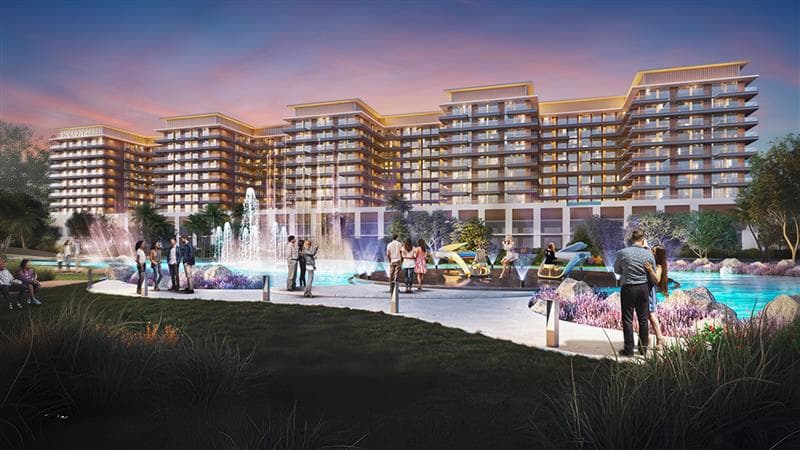
Dubai Investment Park
DAMAC Riverside Views
From AED 795,000 ≈ €196k
Q1 2029
1–2 BR · From AED 1,800 a month during construction
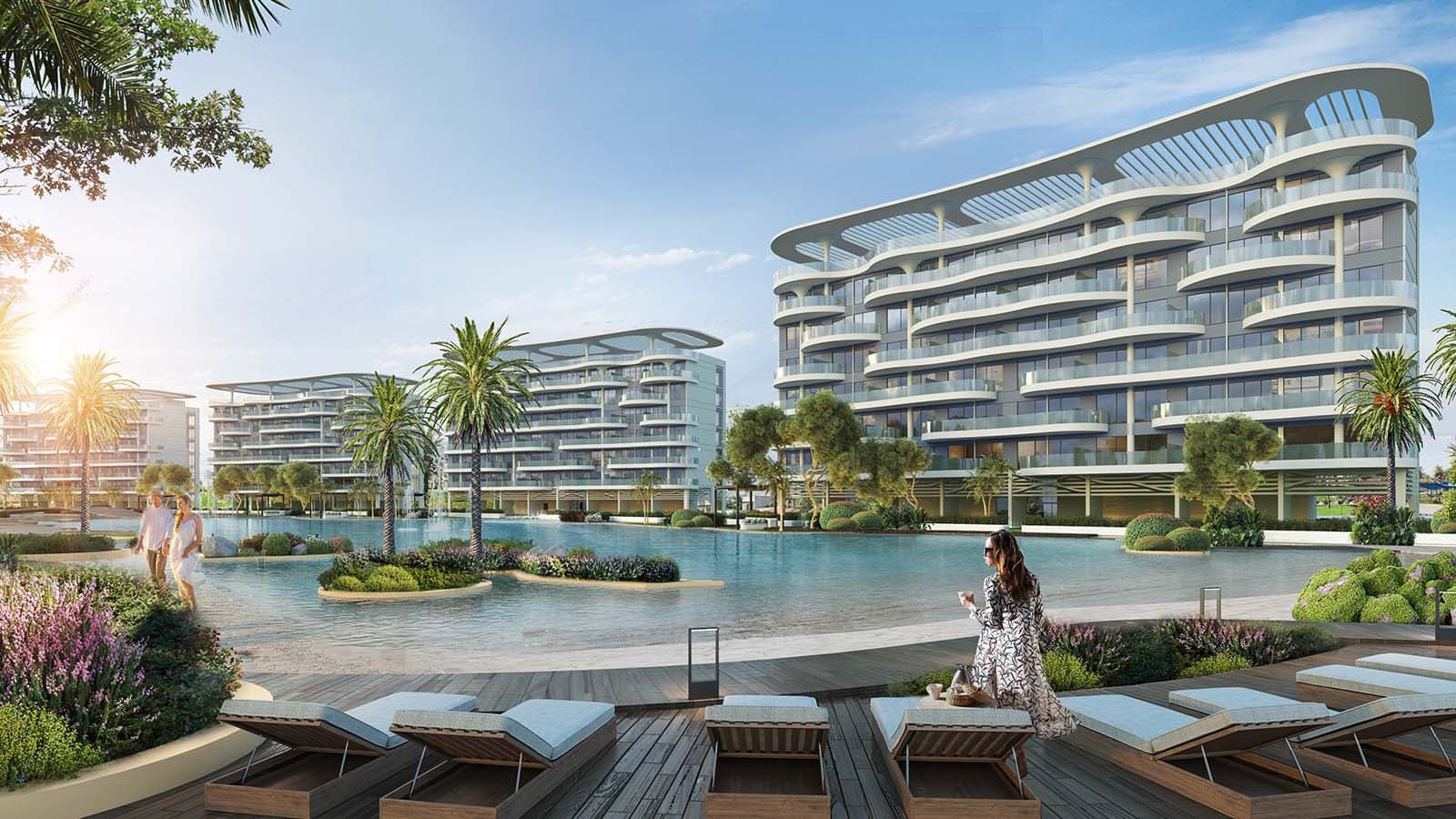
DAMAC Lagoons
Lagoon Views
From AED 1,625,000 ≈ €401k
Q2 2027
1–2 BR · 1% monthly plan
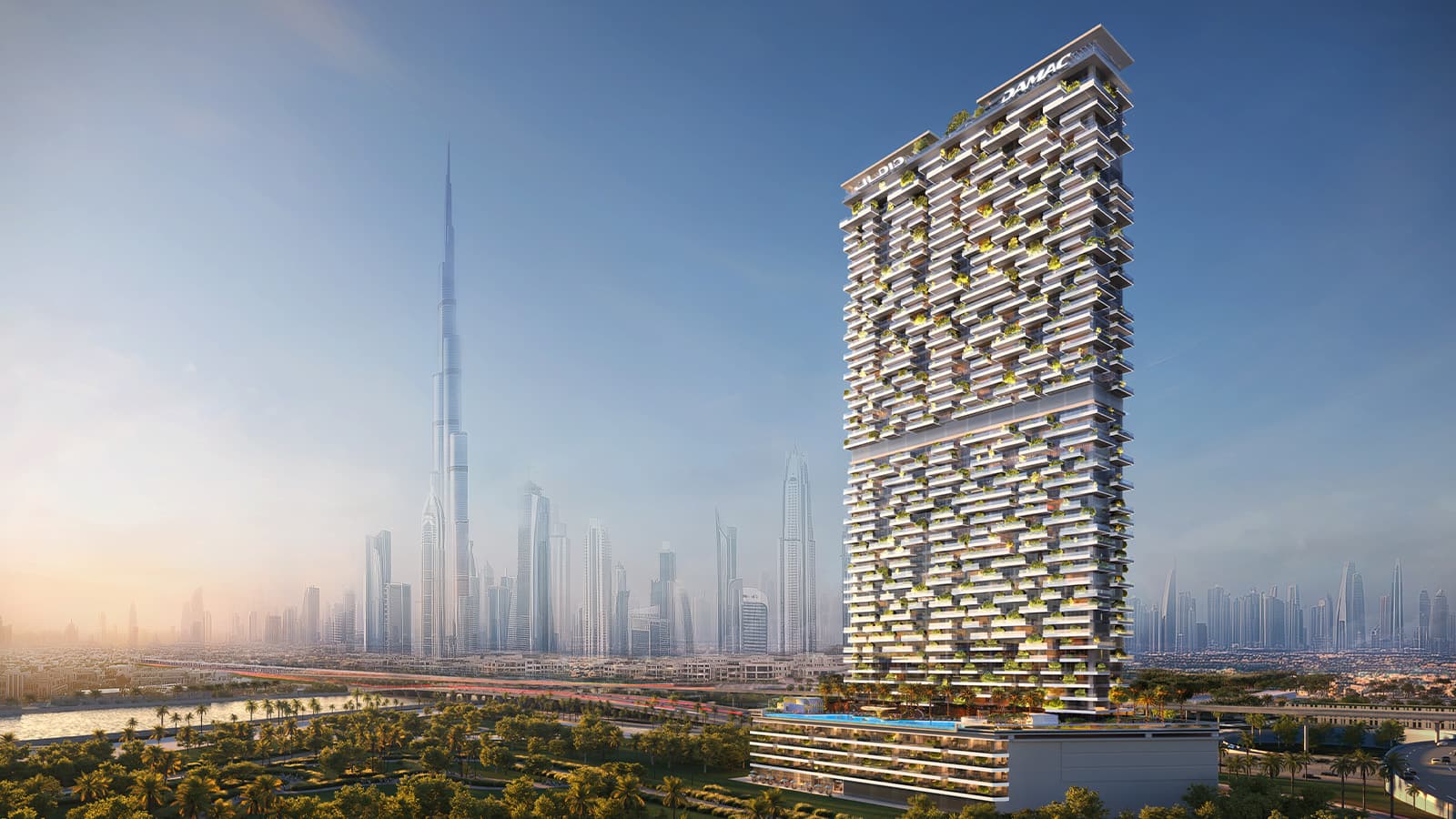
Al Wasl / Sheikh Zayed Road
Safa Gate
From AED 2,135,000 ≈ €527k
Q4 2029
1–2 BR · Payment plan available (ask for the current release)
How the Dubai escrow account protects your money
Dubai's escrow system comes from Law No. 8 of 2007 on escrow accounts for real estate development. The key rules:
- One account per project. Each off-plan project must have its own escrow account, opened with an approved bank acting as escrow agent, and used only for that project.
- Your payments go in. Buyers' payments, and loan money from financiers, are deposited into that account, not the developer's general funds.
- Spending is restricted. According to the DLD, money in the escrow account can only be used to pay approved contractors, consultants and marketing costs for the project.
- Creditors cannot take it. Funds in the account cannot be seized by the developer's creditors.
- A retention after completion. When the completion certificate is issued, the escrow agent holds back 5% of the account for one year after the units are registered to buyers, which gives some cover for defects.
- If the project fails. If a project is not completed, the escrow agent, with the DLD, must protect depositors, either by getting the project finished or by refunding buyers. If the regulator cancels a project, the developer must refund all payments.
The practical rule for you is simple: only ever pay into the project's escrow account, never into a broker's or a developer's general account. The escrow account details appear in the SPA and can be checked with the developer and the DLD.
Oqood: your interim registration
Oqood is the DLD's interim real property register, created by Law No. 13 of 2008. Off-plan sales are recorded there until the building is complete and the property moves to the main land register.
It matters for three reasons:
- A sale is void unless registered. Under the law, an off-plan sale that is not entered in the interim register does not take effect. The DLD's initial sale registration page says the contract must be registered within 90 days of signing.
- Only approved projects can be sold. Off-plan contracts for projects not approved by the authorities are void, and developers cannot sell before they hold the land and the approvals.
- It records your rights. Your Oqood certificate is the evidence you own the contract, which you need to resell, to borrow at handover or to apply for residency.
Registration triggers the 4% DLD fee, normally paid by the buyer. Our guide to Dubai property buying costs itemises it with the smaller charges.
How to buy off-plan property in Dubai, step by step
- Choose a project and a unit. Compare price per square foot, payment plan, handover date and the developer's delivery record. Our round-up of new off-plan projects in Dubai is a starting point.
- Check the project is registered. Use the DLD's Dubai REST app or website to confirm the project is registered and to see its reported completion percentage.
- Check the developer. Look at finished buildings and past handover dates. Our DAMAC Properties review shows what to look for with one large developer.
- Reserve the unit. Pay the booking amount into escrow, usually with a reservation form and a passport copy.
- Sign the SPA. Read the handover date, any permitted delay, area tolerance, default clauses and resale conditions. Have a UAE property lawyer review anything you do not understand.
- Oqood registration. The developer registers the sale and you pay the 4% DLD fee plus any admin charge.
- Pay the instalments. Follow the plan, and for construction-linked payments check the DLD's reported completion percentage first.
- Handover. Inspect the unit for defects, pay the balance and any handover charges, and receive the keys. The Oqood is then converted into a title deed.
Our step-by-step guide to buying from the UK and Europe covers documents, transfers and buying remotely by power of attorney.
Calculator
Buying costs calculator
Everything you pay on top of the price, in dirhams and euros. Off-plan launches carry no broker fee for the buyer; resales usually do.
Fees as published by the Dubai Land Department and typical bank and developer charges, October 2026. Developer admin fees and bank fees vary; ask for the exact figures before you sign.
What the law does not protect you from
Escrow and Oqood protect the money and the contract. These risks remain with you.
Delays. Handover dates often slip. Your remedy, if any, is whatever the SPA says, so check the grace period and any compensation clause before signing. Treat the published quarter as a target, not a promise.
Missing payments. If you default, the developer can use the DLD process set out in Law No. 19 of 2017. You receive 30 days' notice, after which the developer can cancel and keep up to 25% of the contract value if the project is under 60% complete, or up to 40% between 60% and 80%. Above 80%, it can also keep the contract and pursue the balance, or ask the DLD to auction the unit. Our guide to off-plan payment plans explains how to choose a schedule you can meet.
Market value at handover. If prices fall during construction, you still owe the agreed price, and a bank will lend only against the lower valuation.
Size and specification. The law requires the developer to compensate you if the area shrinks beyond an inconsequential amount, and bars it from charging you for an increase. Finishes, views and layouts are only as protected as the SPA wording.
Quality. The 5% escrow retention and the developer's defect obligations help, but snagging at handover is your job. Many buyers pay an independent inspector.
Off-plan or ready: the honest trade-off
| Off-plan | Ready | |
|---|---|---|
| Entry payment | Often 20% plus 4% DLD fee | Full price, or deposit plus mortgage |
| Agency commission | Normally paid by developer | Usually 2% plus VAT, paid by buyer |
| Income | None until handover | From the first tenancy |
| Can you see it | Renders and show units only | Yes |
| Main risks | Delay, specification, market at handover | Overpaying, hidden defects |
| Selling early | Possible, often after a minimum share is paid | Normal resale |
Off-plan suits patient buyers who want to spread payments and accept waiting years for income. Ready property suits buyers who want rent now and to see exactly what they are buying. Neither is safer in every case.
Off-plan checklist before you pay anything
- The project appears as registered with the DLD.
- The escrow account number in the SPA matches the developer's confirmed details.
- You have read the SPA's handover, delay, default and resale clauses.
- You know the total cost, including the 4% DLD fee and admin charges.
- You can meet every instalment from funds you already have or reliable income.
- You have a plan for the handover payment: cash, a mortgage or both.
For a shortlist of off-plan projects checked against your budget and plan, use the enquiry form, and a licensed partner broker will go through the details with you.
Frequently asked questions
Is it safe to buy off-plan in Dubai?+
Your money is better protected than in many markets, because payments must go into a DLD-regulated escrow account for that project and the sale is registered in Oqood. The main risks are delays, a weaker market at handover and penalties if you miss payments, so choose a developer with a solid delivery record and a plan you can afford.
What is a Dubai escrow account?+
It is a bank account opened for one specific off-plan project, regulated by the DLD under Law No. 8 of 2007. Buyers' payments go into it, the developer can only draw on it for approved project costs, and the developer's creditors cannot seize it.
What happens to my money if an off-plan project is cancelled?+
If the project is cancelled by the regulator, the developer must refund all payments under the escrow law. If a project stalls, the escrow agent and the DLD must protect buyers, either by having the project completed or by refunding them. In practice this can take time, so developer choice still matters.
What is Oqood in Dubai?+
Oqood is the DLD's interim register for off-plan property. Your sale is recorded there, and you receive an Oqood certificate, until the building is finished and a title deed is issued. An off-plan sale that is not registered does not take legal effect.
Can I sell an off-plan property before handover?+
Usually yes. Many developers require you to have paid a minimum share of the price first and charge a fee, and the transfer is registered with the DLD. The buyer takes over the remaining instalments, so the price you can get depends on the market at the time.
General information as of 13 October 2026, not legal, tax or financial advice. Rules and prices change; a licensed broker confirms the current position before you commit.
Keep reading
All guidesBuying guide · 8 min
Off-plan payment plans in Dubai: 60/40, 1% a month and post-handover
How a Dubai payment plan works: 60/40, 75/25, 1% a month and post-handover plans explained, with real instalment figures, handover funding and the risks.
Read the guideBuying guide · 9 min
Dubai property buying costs: the DLD fee and every charge on top
Dubai Land Department fees explained: the 4% DLD fee, Oqood, trustee and title deed fees, commission, mortgage costs and service charges, with examples.
Read the guideResidential · 7 min
New off-plan projects in Dubai: 2026 launches for overseas buyers
Eleven new off-plan projects in Dubai grouped by budget, from about €196,000 to €973,000, with handover dates, payment plans and what to check before booking.
Read the guideGet a shortlist
Five questions. One honest shortlist.
Tell us what you are after and a licensed partner sends three to five projects that fit, with real payment schedules in euros.
Step 1 of 5